Mini Power Bank: Compact Charging Solution for Everyday Use
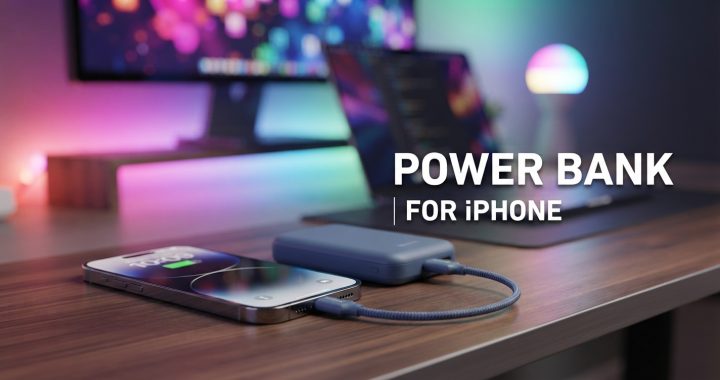
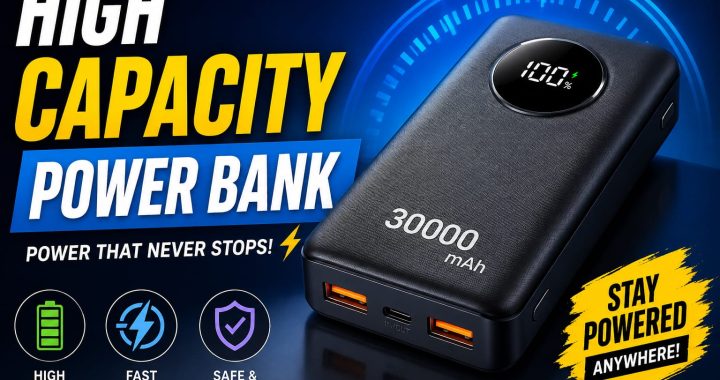
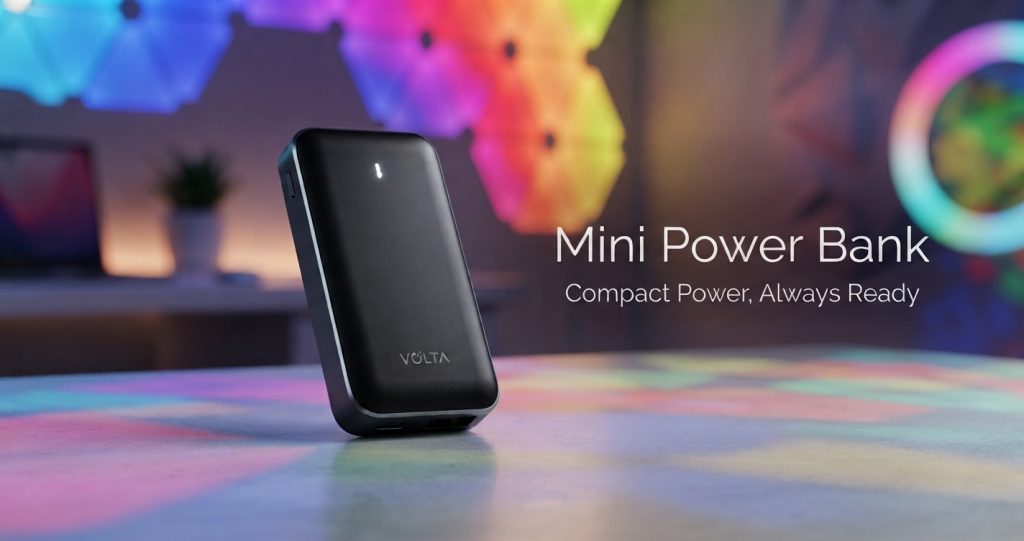
mini power bank** is a convenient charging accessory designed for people who need extra battery power without carrying a large and heavy device. As smartphones, wireless earbuds, smartwatches, and other portable electronics have become part of everyday life, having a small backup power source can be extremely useful. A mini power bank can fit easily into a pocket, handbag, backpack, or travel pouch while providing enough energy to keep your devices running when you are away from a wall outlet. ## What Is a Mini Power Bank? A mini power bank is a compact rechargeable battery pack that stores electrical energy and uses it to charge compatible electronic devices. Unlike larger power banks designed for multiple full charges, mini models generally focus on portability and convenience. The main advantage of a mini power bank is its small size. You can carry one almost anywhere without adding much weight to your everyday bag. Depending on its capacity, a compact power bank can provide emergency charging or a partial smartphone recharge when your phone battery becomes low. Mini power banks are available in different designs and capacities. Some include built-in cables, while others use USB-A or USB-C ports. There are also models designed specifically for phones with particular connectors, making them especially convenient for quick charging. ## Why Choose a Mini Power Bank? There are many reasons someone might prefer a compact power bank over a larger model. The biggest reason is portability. A large battery pack may offer more capacity, but it can take up significant space and add weight to your bag. A mini power bank is useful for everyday situations such as going to school, traveling around the city, attending events, shopping, or spending several hours away from home. When your smartphone battery reaches a low level, you can connect the power bank and continue using your device. Another benefit is convenience. Because the device is small, you do not need to plan your entire day around carrying a large charging accessory. ## Key Features to Look For When shopping for a mini power bank, it is important to consider more than its size. Several features can affect charging performance, compatibility, and convenience. ### Battery Capacity Capacity is normally measured in milliampere-hours, commonly written as mAh. Mini power banks generally have lower capacities than full-size models because their smaller physical dimensions limit the size of the internal battery. A compact model may be suitable for emergency charging or topping up a phone during the day. If you regularly need several complete phone charges, however, a larger power bank may be more appropriate. ### USB-C Connectivity USB-C has become an increasingly common charging connection. A mini power bank with USB-C can make charging more convenient, especially if your smartphone and other accessories already use USB-C cables. Some models also support USB-C input and output, allowing the same connection type to recharge the power bank and charge another device. ### Built-In Cable Some compact power banks include a built-in charging cable. This can be particularly useful because you do not have to carry a separate cable everywhere. A built-in cable can also reduce clutter in your pocket or backpack. However, you should check that the connector matches your device before purchasing. ### Fast Charging Charging speed is another important consideration. Some mini power banks support faster charging standards that can provide more power to compatible devices. The actual charging speed depends on the power bank, cable, and device. A phone that supports fast charging may not charge at its maximum speed if the power bank does not support the required charging technology. ### Safety Protection A reliable power bank should include basic protection features. These can include overcharge protection, over-current protection, over-voltage protection, short-circuit protection, and temperature monitoring. These features help protect both the power bank and connected devices during normal use. ## Mini Power Bank for Smartphones Smartphones are one of the main reasons people purchase portable chargers. Modern phones are used for communication, photography, navigation, social media, streaming, gaming, and many other activities. Heavy smartphone use can drain the battery faster than expected. A **mini power bank** provides a convenient backup when you are away from a charger. For example, if you are traveling and your phone battery becomes low before you reach your destination, a compact power bank can provide additional battery life. This can be especially useful when you need your phone for maps, messages, or emergency communication. Before buying one, check the charging connector and power requirements of your smartphone. ## Mini Power Bank for Travel Travelers often need portable charging solutions because access to wall outlets may be limited. A small power bank is easy to keep in a carry-on bag, backpack, or travel pouch. During a long journey, you may use your phone for entertainment, navigation, tickets, photography, or communication. A compact charger can help provide additional battery power when an outlet is unavailable. For short trips, a small model may be enough. For longer journeys where you expect to charge several devices repeatedly, consider a higher-capacity power bank. When traveling, always check the current airline and transportation rules that apply to portable lithium batteries. Requirements can vary depending on the airline and destination. ## Mini Power Bank for Students Students often spend many hours away from home. A phone may be needed for communication, online learning, research, transportation, and other daily activities. A mini power bank can be useful because it takes up little space in a school or college bag. Students can keep it available for situations when the phone battery becomes low. Because portability is usually more important than maximum capacity in this situation, a compact design can be a practical option. ## Mini Power Bank for Daily Use You do not need to be traveling to benefit from a small portable charger. Everyday situations can also create a need for extra battery power. You might spend the day shopping, visiting friends, attending an event, working outside, or commuting. Instead of searching for an available wall outlet, you can connect your phone to a portable battery. The compact design makes it easier to carry the charger regularly rather than only taking it on long trips. ## Mini Power Bank for Gaming Phones Mobile gaming can consume significant battery power because games can place heavy demands on a phone’s processor and display. If you play games while traveling or away from home, your phone may lose battery faster than during basic activities. A mini power bank can provide additional power while you continue using the phone. However, gamers should pay attention to output power and charging speed because some devices require higher power levels for faster charging. If gaming for many hours is your main purpose, a higher-capacity power bank may provide more practical battery support than an ultra-small model. ## Mini Power Bank With Wireless Charging Some compact power banks offer wireless charging. This can reduce the need for cables when used with compatible smartphones and accessories. Wireless charging is convenient, but it may not always be as efficient or fast as wired charging. The phone and power bank also need to remain correctly aligned. If you prefer a cable-free setup, a compact wireless model can be an attractive option. If maximum charging efficiency is more important, compare the wired and wireless output specifications before purchasing. ## Mini Power Bank With Digital Display Some portable chargers include a small digital display showing the remaining battery level. This can make it easier to know when the power bank needs to be recharged. Instead of relying on a few indicator lights, a digital percentage display can provide more specific information. This feature is not essential for everyone, but it can be useful for people who want to monitor their remaining battery capacity. ## Size and Weight Matter One of the main reasons to purchase a mini power bank is portability. Therefore, size and weight should be considered alongside battery capacity. A larger battery generally requires more physical space. A smaller battery can be easier to carry but may provide fewer charging cycles. The right balance depends on your daily needs. If you want something that can stay in your pocket all day, a smaller model may be more convenient. If you want several smartphone charges, you may need to accept a larger design. ## How Many Times Can a Mini Power Bank Charge a Phone? The number of charges depends on the capacity of both the power bank and smartphone, as well as energy losses during charging. For example, a power bank’s advertised capacity does not mean that all of that energy will reach the phone battery. Conversion and charging losses occur during the process. As a result, you should not expect a power bank’s rated mAh capacity to translate directly into an identical amount of smartphone battery capacity. For occasional emergency charging, even a partial recharge can be valuable. ## Charging a Mini Power Bank Before using your power bank, it needs to be charged. Depending on the model, you may recharge it using USB-C, Micro-USB, or another supported connection. Charging time depends on the battery capacity and input power. A larger battery generally takes longer to recharge, while a smaller one may be ready sooner. Using a compatible charger and cable can help the power bank recharge according to its supported specifications. ## How to Maintain a Mini Power Bank Proper care can help maintain the performance and lifespan of a portable battery. Avoid exposing the power bank to extreme temperatures, excessive moisture, or physical damage. Do not use a visibly damaged battery. If the device becomes unusually hot, swollen, or damaged, stop using it and follow appropriate battery-safety guidance. Keep the charging ports clean and store the power bank somewhere dry when it is not being used. It is also a good idea to check the battery level periodically if you keep the power bank for emergency situations. ## Mini Power Bank vs. Large Power Bank Both compact and large power banks have advantages. A mini power bank is generally easier to carry and is suitable for quick top-ups. It is a good choice for people who prioritize portability. A larger power bank normally provides more capacity and may be better for long trips, heavy smartphone users, or people who need to charge multiple devices. The right choice depends on your priorities. If carrying comfort matters most, compact models have a clear practical advantage. If maximum battery capacity is the priority, a larger model may be more suitable. ## What Devices Can a Mini Power Bank Charge? Depending on its ports and output specifications, a compact power bank may be able to charge several types of portable electronics. Common examples include: * Smartphones * Wireless earbuds * Smartwatches * Portable speakers * Small USB accessories * Some tablets * Other compatible USB-powered devices Always check the manufacturer’s specifications before connecting a device, especially if the device requires higher power. ## Choosing the Right Mini Power Bank When comparing different models, consider the following factors: **Capacity:** Choose a capacity that matches how much backup power you need. **Portability:** Check the dimensions and weight if you plan to carry it in your pocket. **Output:** Look for an output level suitable for your smartphone or other devices. **Connector:** Make sure the available ports or built-in cable match your devices. **Charging speed:** Check whether the model supports the fast-charging technology your phone uses. **Safety:** Look for reputable products with appropriate battery protection systems. **Build quality:** A durable exterior can help the power bank withstand everyday use. **Additional features:** Wireless charging, digital displays, built-in cables, and multiple ports may add convenience. ## Is a Mini Power Bank Worth It? A mini power bank can be a useful accessory for people who regularly need emergency battery power. Its main advantage is that it is easy to carry. It may not replace a high-capacity power station or large power bank for extended travel, but it can be extremely convenient for everyday situations. For someone who frequently leaves home with a low phone battery, keeping a small portable charger available can provide useful backup power without adding much weight to a bag. ## Final Thoughts A **mini power bank** offers a simple way to keep portable electronics powered when a wall outlet is not available. Its compact size makes it convenient for everyday carrying, travel, school, commuting, shopping, and other activities. When choosing one, do not focus only on physical size. Consider battery capacity, charging speed, USB-C compatibility, output power, safety features, weight, and the devices you plan to charge. For users who want a lightweight emergency charger, a compact power bank can be a practical addition to their everyday tech accessories. By selecting a model that matches your charging requirements, you can keep your smartphone and other compatible devices powered throughout the day.