Best Android Phone Camera: A Complete Guide to Choosing the Right Camera Phone
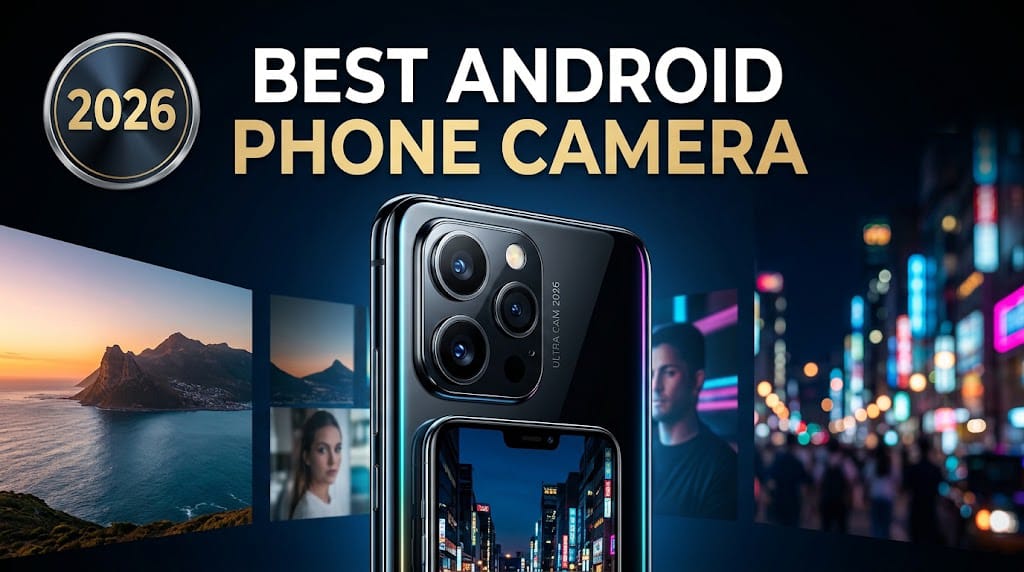
If you are looking for the best Android phone camera, you have more choices than ever in 2026. Android smartphones now offer advanced camera systems with high-resolution sensors, powerful image processing, optical zoom, excellent night photography, and impressive video features. Whether you enjoy taking portraits, landscapes, food photos, travel pictures, or social media content, a good camera phone can help you capture detailed and attractive images without carrying a separate camera.
Choosing the right phone is not only about megapixels. A smartphone camera depends on several important factors, including sensor size, lens quality, image stabilization, software processing, zoom capabilities, and video performance. This guide explains what to look for when choosing the Best Android Phone Camera for your needs.
What Makes a Best Android Phone Camera?
A powerful smartphone camera combines hardware and software to produce high-quality images. Modern Android phones may include multiple cameras, such as a main wide camera, ultrawide camera, and telephoto camera.
The main camera is generally used for everyday photography. A large sensor can capture more light and produce better results in challenging conditions. The ultrawide camera is useful for landscapes, buildings, groups, and travel photography. A telephoto camera provides optical zoom for distant subjects while maintaining better quality than digital zoom.
Software is equally important. Smartphone manufacturers use computational photography to improve exposure, colors, HDR, sharpness, and low-light performance. This means two phones with similar camera specifications can produce noticeably different results.
High-Resolution Main Camera
One of the first specifications people notice is megapixel count. Some Android smartphones offer cameras with 50MP, 108MP, or even higher resolutions. A high-resolution sensor can capture a large amount of detail, but megapixels alone do not guarantee better photos.
Sensor quality, lens design, image processing, and stabilization also play major roles. A well-optimized 50MP camera can produce better results than a poorly optimized camera with a much higher megapixel count.
For everyday photography, look for a phone with a high-quality main sensor rather than choosing a device based only on its megapixel number.
Optical Image Stabilization
Optical Image Stabilization, commonly called OIS, is an important feature for smartphone photography. It helps reduce the effects of small hand movements when taking pictures or recording videos.
OIS can be particularly useful in low-light situations because the camera may need a longer exposure to capture enough light. Stabilization can also make handheld video smoother.
If photography is a major priority, choosing an Android phone with OIS on its main camera is a smart decision.
Night Photography
Night photography has improved dramatically on modern Android phones. Many devices use larger sensors, wider apertures, multiple-frame processing, and dedicated night modes to produce brighter and more detailed images after sunset.
The best results usually come from phones that can balance brightness, detail, colors, and noise. A good night mode should brighten dark areas without making the image look unnatural.
If you frequently take photos at night, check sample images from the phone before buying it. This can reveal how well the camera performs in restaurants, streets, city scenes, and other low-light environments.
Telephoto and Optical Zoom
Zoom is another important feature when choosing the best Android phone camera. Digital zoom enlarges an image using software, which can reduce detail at higher zoom levels.
Optical zoom uses a dedicated telephoto lens to capture distant subjects with better image quality. Some premium Android smartphones offer multiple telephoto cameras or advanced zoom systems.
A telephoto camera is useful for photographing animals, sports, buildings, portraits, and distant objects. If you often take pictures from far away, optical zoom should be one of your top priorities.
Ultrawide Camera
An ultrawide camera gives you a wider field of view than the main camera. It is especially useful for travel and landscape photography.
For example, when photographing a large building or a group of people in a limited space, an ultrawide camera can capture more of the scene. It can also create interesting perspectives for creative photography.
However, not every ultrawide camera provides the same quality as the main camera. When comparing phones, look for good detail, accurate colors, and low distortion.
Portrait Photography
Portrait mode is popular because it can separate the subject from the background and create a blurred-background effect. Modern Android phones use depth information and artificial intelligence to detect people and separate them from their surroundings.
A good portrait camera should produce natural-looking edges around hair, clothing, and other fine details. Skin tones should also look realistic rather than excessively processed.
Telephoto cameras can be particularly useful for portraits because they can provide a flattering perspective while keeping the subject separated from the background.
Selfie Camera Quality
The front camera is important for selfies, video calls, social media, and short-form videos. A good selfie camera should offer clear details, natural skin tones, accurate exposure, and reliable autofocus when available.
Some Android phones also provide portrait effects, HDR selfies, night modes, and high-resolution video recording through the front camera.
If you regularly create social media content, pay attention to both front and rear camera video quality instead of focusing only on the main rear camera.
Video Recording
Photography is only one part of a modern smartphone camera. Video recording has become equally important for creators, students, travelers, and social media users.
When choosing the Best Android Phone Camera, check its video features, including resolution, frame rates, stabilization, autofocus, HDR support, and audio quality.
A phone with strong stabilization can make handheld videos smoother. Fast and reliable autofocus is also useful when subjects move toward or away from the camera.
For creators, it can be helpful to choose a phone that offers different recording modes and easy controls for exposure and focus.
Camera Software and AI Features
Artificial intelligence has become an important part of smartphone photography. Camera software can recognize scenes, improve exposure, reduce noise, enhance dynamic range, and optimize colors.
Some phones also include advanced editing features that can remove unwanted objects, improve images, or make adjustments automatically.
However, AI processing should improve a photo without making it look overly artificial. Natural colors and realistic details are still important when choosing a camera phone.
Best Android Phone Camera for Different Users
There is no single phone that is perfect for everyone. Your choice should depend on how you use your camera.
Best for Everyday Photography
For everyday users, prioritize a strong main camera, reliable autofocus, OIS, good HDR, and natural color processing. You do not necessarily need the highest megapixel count or the most expensive zoom system.
Best for Travel Photography
Travelers should look for a versatile camera setup with a strong main camera, ultrawide camera, and telephoto lens. This combination allows you to capture landscapes, buildings, people, and distant subjects.
Good battery life and fast charging can also be useful during long travel days.
Best for Night Photography
For night photography, look for a large main sensor, OIS, effective night mode, and good image processing. Camera performance in low light is often more important than the maximum resolution.
Best for Video Creators
Content creators should prioritize video stabilization, autofocus, microphone quality, high-resolution recording, and reliable front and rear cameras. Storage capacity is also important if you record a lot of high-resolution video.
Camera Specifications You Should Compare
Before purchasing a smartphone, compare the following specifications:
- Main camera sensor and resolution
- Sensor size
- Aperture
- Optical Image Stabilization
- Telephoto lens
- Optical zoom range
- Ultrawide camera
- Front camera quality
- Video resolution and frame rates
- Autofocus performance
- Night mode
- HDR capabilities
- Camera software
- Storage capacity
Looking at these features together will give you a much better idea of camera performance than simply checking megapixels.
Is a More Expensive Phone Always Better?
Not necessarily. Premium Android phones usually provide more advanced camera hardware, but mid-range phones can also offer excellent photography.
If you mainly take casual photos in daylight, you may not need an expensive flagship. A well-balanced mid-range phone can provide sharp images, good colors, and useful camera features.
However, users who want advanced optical zoom, excellent night photography, professional video features, or superior image processing may benefit from a premium smartphone.
How to Choose the Best Android Phone Camera
Start by deciding what type of photography you do most often. If you take everyday photos, focus on the main camera and image processing. If you travel frequently, choose a versatile camera system with ultrawide and telephoto lenses.
For night photography, prioritize sensor quality and OIS. For video creation, look closely at stabilization, autofocus, resolution, and audio capabilities.
It is also a good idea to compare real-world camera samples instead of relying entirely on specifications. Photos taken in daylight, indoors, at night, and with different zoom levels can reveal important differences between phones.
Final Thoughts
Finding the Best Android Phone Camera depends on your photography style, budget, and priorities. A great camera phone should offer a strong main sensor, reliable stabilization, accurate colors, useful zoom, good low-light performance, and high-quality video.
Megapixels are only one part of the experience. Camera software, sensor size, lenses, OIS, autofocus, and image processing all work together to determine the final image quality.
Before buying, think about the photos and videos you take most often and compare phones based on those needs. With so many capable Android smartphones available, choosing a camera system that matches your personal requirements can help you get better photos and videos every day.